Why Trees Sometimes Need to Be Taken Down for Safety and Property Protection
Homeowners usually need tree removal when a tree becomes unsafe, unhealthy, or too close to a home or power lines. Dead trees, storm damage, leaning trunks, and root problems are some of the most common reasons. In many cases, removing a tree is the safest way to protect your house, yard, and family from damage or injury.
Quick Diagnosis: When a Tree Becomes a Risk
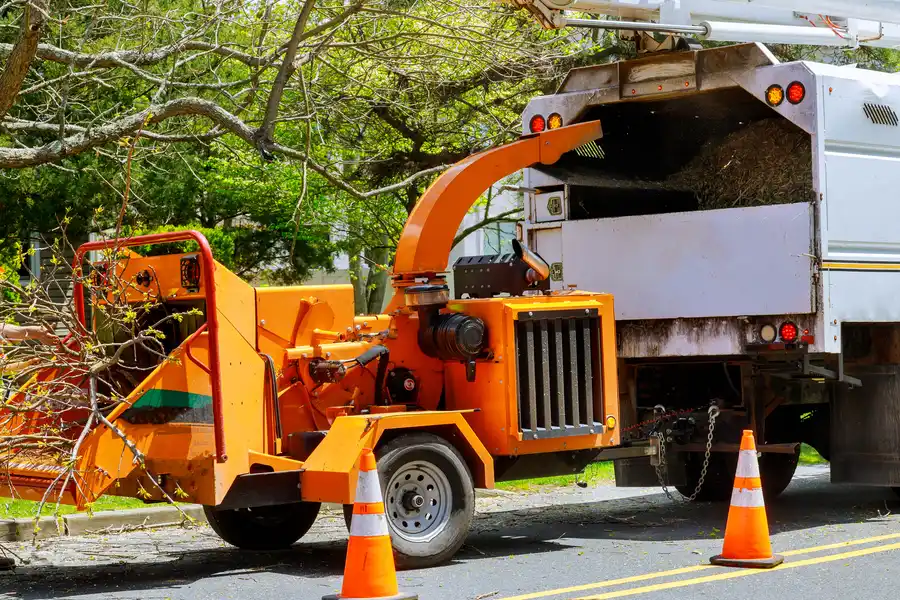
Most trees add shade and beauty to a yard. But when a tree starts to die or break apart, it can quickly turn into a hazard. Large branches may fall without warning. Roots can crack driveways or push into sewer lines. In these situations, tree removal is often the best solution.
If you notice big changes in how a tree looks or stands, it is a sign that something is wrong. Acting early can prevent costly repairs later.
Common Symptoms Homeowners Notice
Many people are not sure what to look for until the problem gets worse. Here are signs that often lead to tree removal:
- Large dead branches high in the canopy
- Deep cracks in the trunk
- Hollow or rotting wood
- A tree leaning more than before
- Fungus growing at the base
- Roots lifting sidewalks or driveways
- Storm damage that split the tree
Sometimes the tree still has green leaves, but the inside is weak. That hidden decay can make the tree unstable.
Likely Causes Behind Tree Failure
There are several reasons a tree may decline or become unsafe. Age is one factor. Older trees can rot from the inside out. Severe storms with heavy wind or lightning strikes can also weaken the structure.
Poor soil conditions play a role as well. If roots sit in wet soil for long periods, they can decay. Construction near the base of a tree may cut major roots. Without strong roots, the tree cannot stay upright.
Pests and disease are also common causes. Insects may bore into the trunk and damage the inner wood. Fungal infections can spread through the root system. Over time, this damage makes the tree brittle and more likely to fall.
What to Check First
Before deciding on tree removal, take a close look at the tree from a safe distance.
- Check the base of the trunk for soft wood or mushrooms.
- Look up into the canopy for bare or broken limbs.
- Notice if the tree is leaning toward your house or street.
- Watch for soil pulling up around the roots.
- Think about recent storms or changes in the yard.
If you see more than one of these warning signs, the tree may not be stable. At that point, it is smart to have a trained crew inspect it.
Safe Fixes Vs Pro-Level Fixes
Not every tree problem means full removal. In some cases, trimming large branches can reduce weight and improve balance. Treating a disease early may also save the tree.
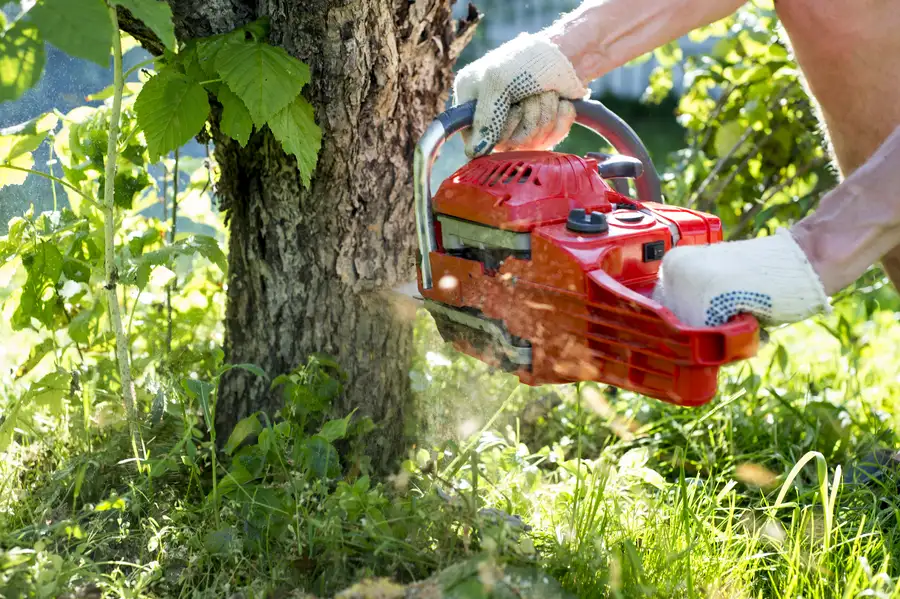
However, some issues are beyond a simple fix. A split trunk, major root damage, or advanced rot often means the tree cannot recover. Trying to cut down a large tree on your own can be dangerous. Heavy limbs can fall in the wrong direction. Chainsaws are hard to control without training.
Professional tree removal services use proper equipment, safety gear, and step-by-step cutting plans. This lowers the risk of injury and property damage.
Prevention Tips for Homeowners
While not all tree problems can be avoided, regular care helps reduce risk.
- Schedule routine inspections every few years.
- Trim weak or crowded branches.
- Keep heavy equipment away from tree roots.
- Improve drainage if water collects near the base.
- Remove small diseased trees before they spread problems.
Healthy trees are stronger and better able to handle wind and rain. Early action is almost always less expensive than emergency work after a tree falls.
When to Schedule Professional Tree Removal
If a tree is close to your home, hanging over your roof, or near power lines, do not wait until it fails. Emergency tree removal often costs more and comes with higher risk. If you are unsure about the tree’s stability, a professional evaluation is the safest next step.
Homeowners in Whitesboro, TX often face strong storms and seasonal weather shifts that stress trees. If you see signs of decay, leaning, or storm damage, it may be time to act. Our team at GETS Whitesboro handles tree removal safely and efficiently. Call us at (903) 221-2132 to schedule an inspection or get answers about your next steps.