Stopping Root Damage Before It Starts
Tree removal can prevent damage to underground utilities by stopping roots from growing into buried pipes, sewer lines, water mains, and power cables. As trees grow, their roots spread far beyond the trunk. In many yards, those roots reach under driveways, sidewalks, and even into utility lines. When roots press against or break into these systems, repairs can be messy and costly. Removing problem trees early can protect your property and help you avoid major service disruptions.
Why Prevention Matters
Underground utilities are out of sight, so many homeowners forget about them. Water lines, sewer pipes, gas lines, and electrical conduits all run beneath your yard. Tree roots naturally seek moisture. Sewer and water lines are a steady source. Once roots find a small crack in a pipe, they grow inside it. Over time, this can block flow or break the pipe completely.
Fixing a damaged sewer line may require digging up your yard. Repairs to power cables can shut off electricity. Preventive tree removal lowers the risk of these problems before they start.
Early Warning Signs of Root and Utility Conflicts
You may notice signs that roots are already affecting underground systems. Catching these signs early can help you act before damage gets worse.
- Slow draining sinks or toilets
- Frequent sewer backups
- Wet or soggy spots in the yard
- Sudden drops in water pressure
- Cracks in driveways or sidewalks near large trees
If you see one or more of these issues, tree roots may be the cause. In many cases, removing the tree is the safest long-term fix.
Routine Checklist to Protect Underground Lines
Regular yard checks can help reduce the risk of root damage. Use this simple checklist at least once a year:
- Locate underground utility lines before planting new trees.
- Check for trees planted too close to sewer or water lines.
- Look for large surface roots moving toward structures.
- Watch for lifting soil or cracked pavement.
- Schedule inspections if you have older clay or cast-iron pipes.
If a tree sits directly above or very close to utility lines, removal may be the best option. Smaller trees are easier and less expensive to remove than large, mature ones with deep root systems.
Best Practices for Long-Term Protection
Smart planning makes a big difference. When planting new trees, choose species with less aggressive root systems. Place them far from known utility paths. Keep large shade trees well away from sewer laterals and water mains.
If you already have mature trees near buried lines, monitor them closely. Professional tree removal can stop root spread before it causes major pipe damage. In some cases, selective removal of high-risk trees protects both your yard and your home systems.
It also helps to work with licensed plumbers and utility professionals when problems arise. They can confirm whether roots are the issue or if another repair is needed.
What Not to Do
Some property owners try quick fixes that do not solve the core problem. Avoid these common mistakes:
- Cutting surface roots only, while leaving the tree in place
- Using chemical root killers without expert advice
- Ignoring repeated sewer backups
- Planting fast-growing trees close to underground lines
Cutting a few roots rarely stops future growth. In fact, it can make the tree unstable. Chemical treatments may slow root growth, but they do not remove the risk if the tree remains too close to utilities. Full tree removal is often the safer long-term choice when roots threaten buried systems.
When to Schedule Professional Help
You should schedule professional help if a tree is within 10 to 20 feet of sewer or water lines, especially if it is a species known for aggressive roots. Properties with older pipes are at even higher risk.
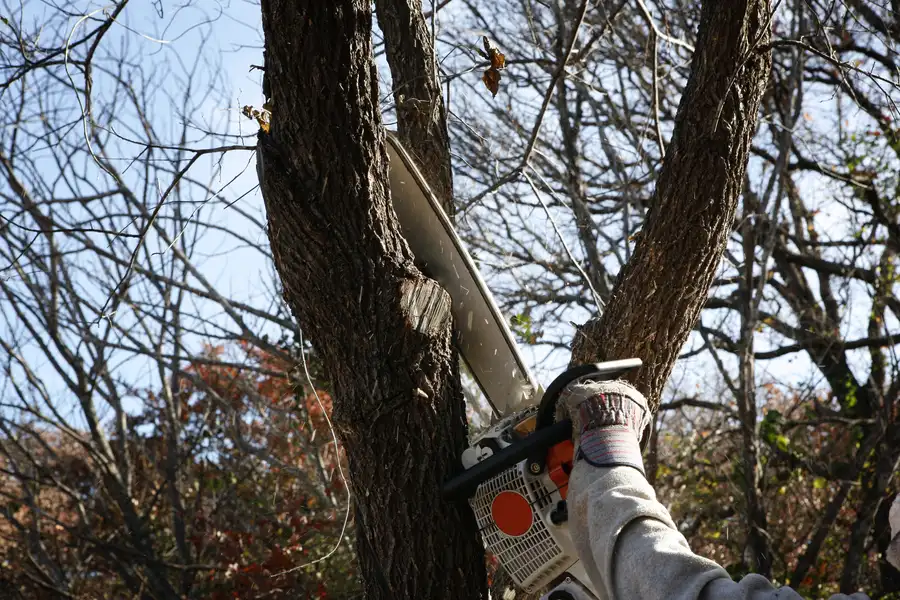
A trained crew can assess the size of the tree, the spread of the roots, and the location of underground lines. They use proper equipment to remove the tree safely without causing added damage to nearby structures. Taking action early costs far less than replacing a broken sewer line or repairing an underground power cable.
Get Help Protecting Your Property
If you are dealing with large trees near buried utility lines in Whitesboro, TX, acting early can save you from major repairs. At GETS Whitesboro, we help property owners reduce the risk of root damage with safe, careful tree removal services. Our team can inspect your trees, explain your options, and handle the removal process the right way. Call us at (903) 221-2132 to schedule an assessment and protect your underground utilities before problems start.