
Start With a Clean, Open Space That Matches Your Vision
Land clearing is the first big step in creating a better landscape design. When you remove brush, small trees, rocks, and debris, you get a blank canvas to shape your yard the right way. Good planning makes the space safer, easier to use, and more beautiful. If you want smooth lawn areas, garden beds, patios, or drive paths, proper land clearing sets the base for all of it.
What You Need Before Starting
Before you begin any land clearing, take time to plan your layout. Think about where you want grass, trees, flower beds, walkways, and outdoor living areas. Mark these spots with stakes or spray paint. This helps you avoid clearing areas you may want to keep natural.
You should also check:
- Property lines so you stay within your space
- Local rules about tree or brush removal
- Underground utility lines
- Drainage patterns after heavy rain
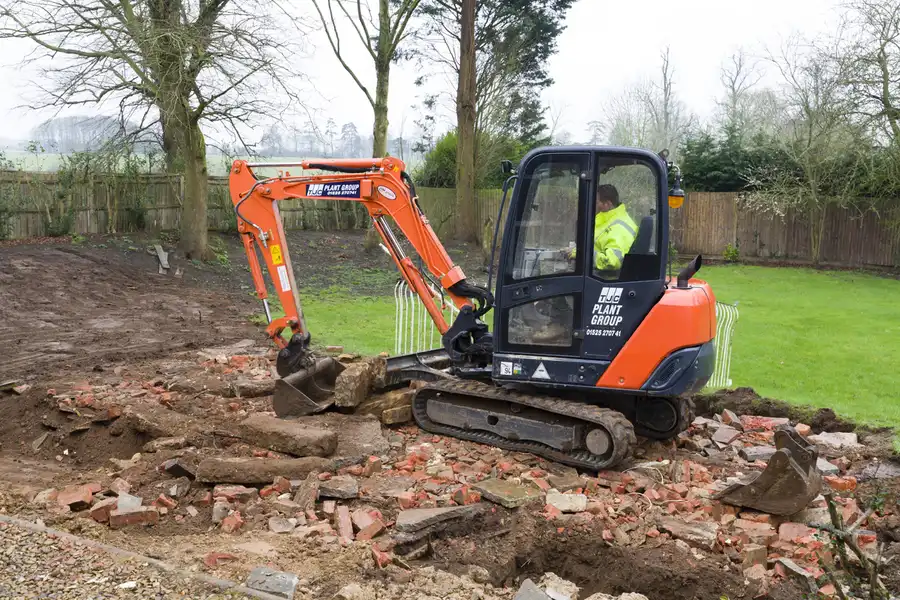
Gather the right tools for the size of your job. Small projects may need chainsaws, loppers, and a shovel. Larger areas often require heavy equipment. Safety gear like gloves, goggles, and sturdy boots is a must.
Step-by-Step Process for Better Results
Clearing land without a plan can lead to uneven ground and soil damage. Follow these clear steps to protect your property and improve your final design.
- Walk the property. Identify trees to remove and trees to keep.
- Remove unwanted brush and small plants first. This opens up your view.
- Cut and remove trees carefully. Work from smaller to larger ones.
- Pull out roots and stumps. This prevents regrowth and uneven settling.
- Remove rocks and debris. Clear everything that blocks grading.
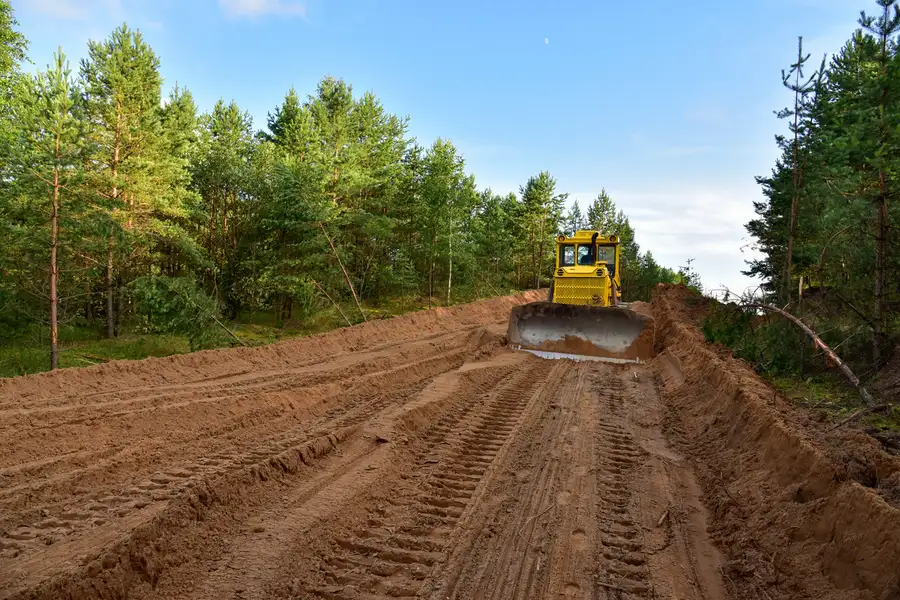
- Grade the soil. Smooth and level the ground based on your design plan.
- Test drainage. Make sure water flows away from your home.
Proper grading is part of site development and helps prepare the ground for sod, plants, or hardscape features.
Common Mistakes to Avoid
One big mistake is clearing too much. Not every tree or shrub needs to go. Mature trees can add shade, beauty, and value to your landscape design.
Another mistake is skipping drainage planning. Poor grading can cause standing water or erosion after rain. This can wash away soil and damage new plants.
Many property owners also forget about soil health. Heavy machinery can compact soil. Compacted soil makes it hard for grass and plants to grow. After land clearing, you may need to loosen and condition the soil before planting.
Rushing the project is also common. Careful removal and grading lead to better long-term results.
When to Call a Professional
Small backyard projects may be safe to handle on your own. But larger land clearing jobs often require professional help. If your property has large trees, thick brush, slopes, or rocky ground, heavy equipment may be needed.
Professionals also know how to manage erosion and protect nearby structures. They can shape the land to match your landscape design goals while keeping safety in mind. If you plan to add a driveway, pool, or new structure, expert grading becomes even more important.
Hiring a skilled crew can also save time. What may take you weeks could be done in days with the right tools and experience.
Final Recommendation and Next Steps
A better landscape starts with smart land clearing. Clear only what you need, protect healthy trees, and plan your drainage from the start. Take your time designing the layout before any brush is removed. In Whitesboro, TX, soil type and weather patterns can affect how your property should be cleared and graded. At GETS Whitesboro, we help property owners shape their outdoor spaces with safe and careful land preparation. If you are ready to improve your yard, call us at (903) 221-2132 and we will be glad to talk about your project and goals.